Enforcing proposed single-use vape ban may cost over €3m a year, Oireachtas research says
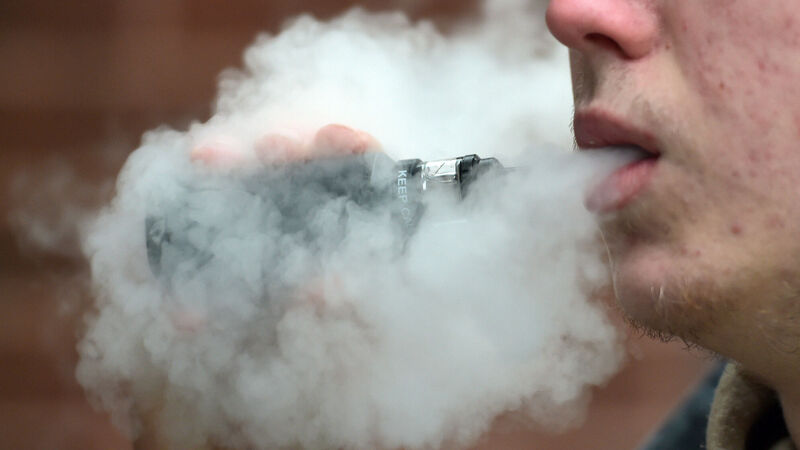
It comes as single-use vapes have emerged rapidly on the Irish market in recent years. File photo: Nicholas T. Ansell/PA
A proposed ban on single-use vapes could cost €3.1m a year to enforce along with other measures planned by Government, a regulatory impact analysis has shown.
In a paper from the Oireachtas’ Library and Research Service, it highlighted different aspects of the Government’s proposed laws in this area and its potential implications, including the need to fund 40 full-time posts in the HSE to enforce it.
“There would be a cost to the Exchequer to invest in resources to appropriately enforce further legislation,” the analysis said.
“As these are relatively new and rapidly evolving products, there would be costs involved with training and developing expertise within the [HSE’s National Environmental Health Service]. This is particularly the case as there would not be the support of EU-level expertise or frameworks for these measures.”
Earlier this week, the Government commenced the passage of the Public Health (Single-Use Vapes) Bill through the Oireachtas.
The law will prohibit the sale of single-use vapes in Ireland, with ministers saying the move was aimed at reducing smoking and vaping prevalence and preventing children from starting to use nicotine.
It comes as single-use vapes have emerged rapidly on the Irish market in recent years, while vaping rates among children have increased. At the same time, such vapes are generating waste and environmental damage.
This bill “prioritises the protection of children and young people”, health minister Jennifer Carroll MacNeill said.
In the Library and Research paper, it said that if the legislation results in fewer young people vaping and no resulting increase in youth smoking, it may result in public health and exchequer benefits.
“For industry, the impact is likely to depend on consumer behaviour,” it said. “If sales of vapes overall fall as a result of the ban, then it would have a negative impact on retail businesses.
“The achievement of the policy goal of reducing youth vaping would reduce profits in the industry. However, if current users transfer to legal, non-disposable products, the impact would be offset by these sales.
“Enforcement costs for the measures in the bill and for anticipated further legislation on e-cigarettes is estimated at €3.1m per year.”


CONNECT WITH US TODAY



Be the first to know the latest news and updates